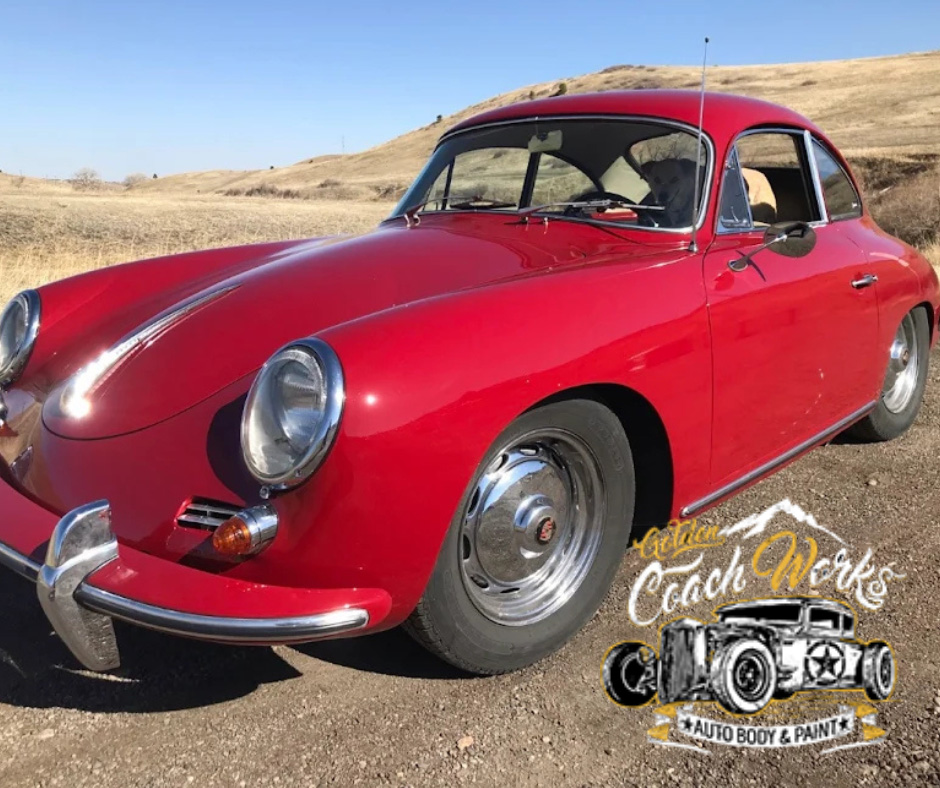
Many older vehicles have spent years in storage, been repaired the wrong way, or simply haven’t been maintained properly—so the goal of restoration is to return the car to a condition you can be proud of, inside and out. While restoration takes time and investment, the payoff is a vehicle that looks right, runs right, and feels like it finally matches the vision you’ve had for it.
What “Full Restoration” Typically Involves
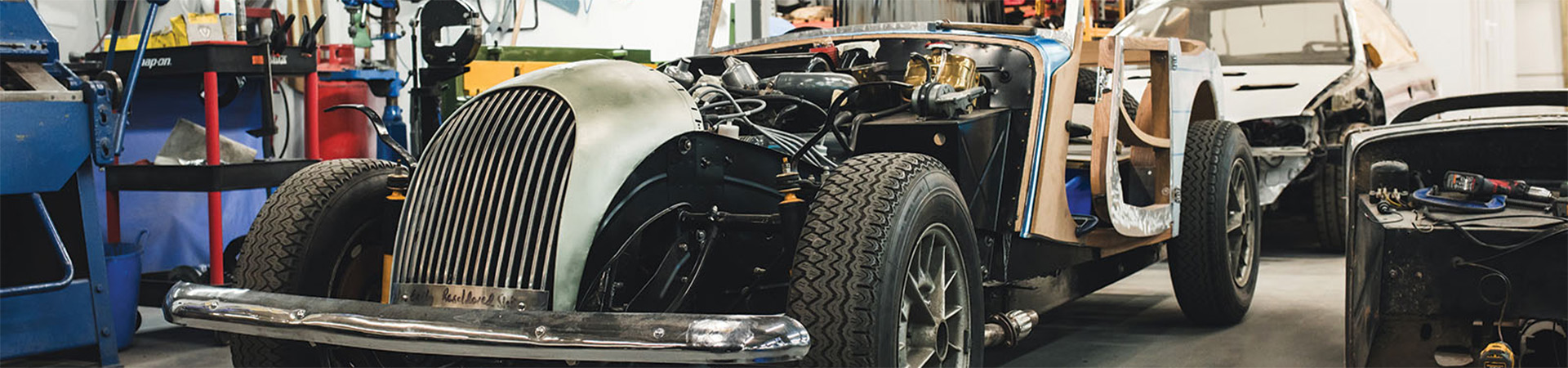
A complete restoration is much more than paint and polish. It’s a structured process that often begins with a full teardown so every component can be inspected, repaired, replaced, or refinished as needed. Parts are removed and organized so reassembly is accurate, and the vehicle can be rebuilt methodically rather than “patched together.”
Restoration services may include:
- Full disassembly and cataloging of components
- Optional media blasting and frame restoration
- Chemical or mechanical stripping to bare metal
- Rust removal and metal repair to ensure a solid foundation
- Trim replacement or replating (as needed)
- Panel straightening to eliminate dents, waves, and uneven surfaces
Body Prep and Paintwork
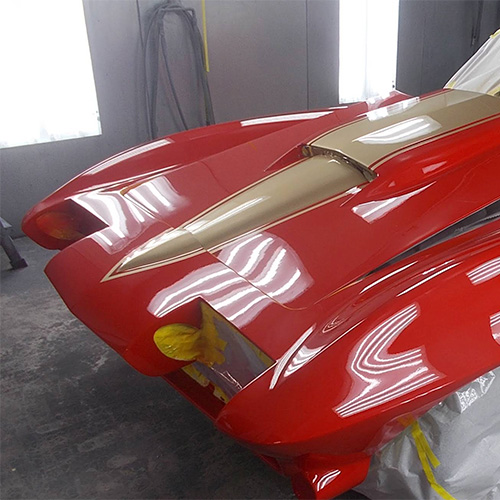
High-end restoration results come from the prep work. Before paint is applied, the vehicle is typically primed and sealed correctly, and any bodywork areas receive the build needed for a flat, consistent surface. Extensive block sanding is part of achieving a straight finish, and a proper refinish includes the areas people forget—like jambs and under-hood sections—so the vehicle looks complete from every angle. After curing, final sanding and buffing refine gloss and clarity, and undercoating is applied where appropriate for durability and protection.
Paint and finish steps often include:
- Etch priming and sealing
- High-build primer where bodywork was performed
- Block sanding across panels for straightness
- Paint and clear application across all required areas
- Cut/sand and buff for final finish quality
- Undercoating for protection
Mechanical Restoration and Safety Updates
Once the exterior is handled, the focus typically shifts to making the vehicle drive as well as it looks. Depending on the project, mechanical systems may be rebuilt or replaced, and many owners choose to modernize key components for better reliability and safer road manners. Steering, suspension, and braking updates are common, and drivetrain improvements can make the vehicle more enjoyable to drive—especially if you want a smoother ride and better performance than the original setup delivered.
Mechanical work may include:
- Transmission and gearing upgrades for improved drivability
- Rebuilding or replacing worn mechanical systems
- Steering, suspension, and braking upgrades for modern safety expectations
- Engine rebuilds or crate motor swaps (project-dependent)
Why the Process Matters
Vehicle restoration is only “done” when every major step has been handled—structure, metal, finish, and mechanicals—without skipping corners that create problems later. If you’re investing in a restoration, you should expect a complete, thorough approach that respects the vehicle and protects the value of the work. The end result is a classic that looks the way it should and is built to be enjoyed for years.
Denver Vehicle Restoration FAQs
What types of vehicles do you restore?
Golden Coach Works provides full vehicle restoration for Denver-area owners, helping bring classic vehicles back to a condition you can be proud of.
What does “full restoration” mean?
A full restoration is more than paint and polish. It’s a structured process that often starts with a complete teardown so components can be inspected, repaired, replaced, or refinished as needed—then reassembled accurately.
What restoration services can be included?
Depending on your project, restoration services may include:
- Full disassembly and cataloging of components
- Optional media blasting and frame restoration
- Stripping to bare metal (chemical or mechanical)
- Rust removal and metal repair
- Trim replacement or replating (as needed)
- Panel straightening to remove dents, waves, and uneven surfaces
Why does body prep matter so much in restoration?
High-end results come from the prep work. The page notes steps like proper priming/sealing, high-build primer where needed, extensive block sanding for straight panels, and finishing details (including jambs and under-hood areas) so the vehicle looks complete from every angle.
What are the typical paint and finish steps?
Paint and finish steps often include:
- Etch priming and sealing
- High-build primer where bodywork was performed
- Block sanding for straightness
- Paint and clear application
- Cut/sand and buff for final finish quality
- Undercoating for protection
Do you handle mechanical restoration too?
Yes. After the exterior is handled, the process may shift to making the vehicle drive as well as it looks—potentially including rebuilding/replacing mechanical systems and modernizing key components for reliability and safety.
What mechanical work might be involved?
Mechanical work may include:
- Rebuilding or replacing worn systems
- Steering, suspension, and braking upgrades
- Engine rebuilds or crate motor swaps (project-dependent)
- Transmission and gearing upgrades for drivability
Why does the restoration process matter?
The page emphasizes that restoration is only “done” when major steps are handled—structure, metal, finish, and mechanicals—without skipping corners that can create problems later.
Request a Free Estimate
Ready to discuss your restoration goals? Contact Golden Coach Works to request a free estimate for vehicle restoration near Denver, serving the metro area from Wheat Ridge
Call us today at 303-279-9777 to get a free estimate.